Every roof we install carries a fire classification, even when nobody brings it up during the estimate. That classification comes out of a laboratory, not a brochure, and it describes how a roof behaves when burning debris lands on it. Most homeowners we meet around Lake Tapps never ask about it, yet it shapes insurance decisions, permit reviews, and long-term safety. Here is how we explain it.
What a UL Class A Fire Rating Actually Measures
A fire classification rates a roof assembly, meaning the complete layered system of deck, underlayment, and covering, rather than the shingle by itself. Laboratories assign that classification under UL 790, a test standard Underwriters Laboratories publishes and that ASTM E108 mirrors almost word for word. Both documents put a mocked-up roof section under controlled fire exposure and measure what happens.
We confirm that listing before we specify materials for any roof replacement. UL Solutions describes three separate exposures inside the roof covering tests, and each one answers a different question:
- Burning brand test — a lit wood block sits on the assembly to simulate a wind-carried ember landing on the surface.
- Spread of flame test — a gas flame plays across the roof for ten minutes while technicians measure how far fire travels.
- Intermittent flame test — the flame cycles on and off repeatedly to reveal whether the assembly eventually ignites under sustained attack.
Together these three exposures answer the question that matters during a real fire. They tell us whether a roof resists ignition long enough to keep flames outside the house.
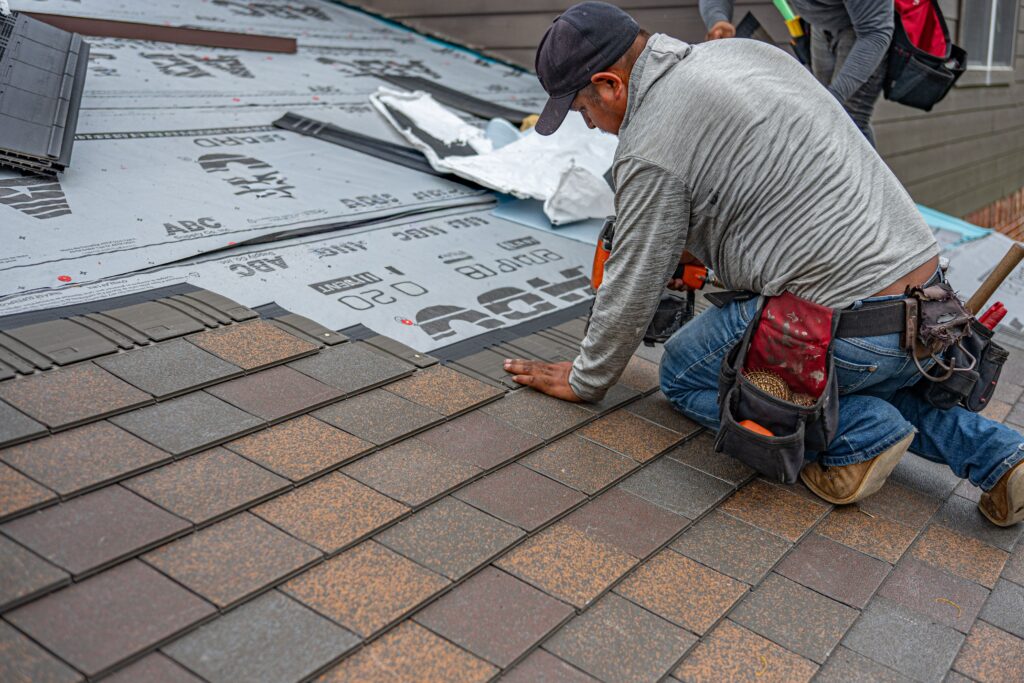
Image credit: Ryan Stephens from Pexels
Class A, Class B, and Class C: Where the Lines Fall
The three classes describe severe, moderate, and light fire exposure, in that order. The gap between them is not subtle. Class A assemblies face the harshest conditions in the lab and must hold up under all three exposures.
- Class A — withstands a burning brand roughly twelve inches square weighing about two thousand grams, with flame spread limited to six feet.
- Class B — withstands a brand roughly six inches square, with a more generous flame spread allowance.
- Class C — withstands a small brand about an inch and a half square, the lightest exposure of the three.
That two-thousand-gram brand is the figure we keep in mind. It represents a substantial piece of burning debris, and a Class A assembly has to sit under it without letting fire reach the deck.
Why Roof Fire Ratings Matter in Lake Tapps and Across Puget Sound
Plenty of Washington homeowners still file wildfire under “eastside problem,” and the numbers no longer support that. The Washington State Department of Natural Resources responded to 455 fires on the west side of the Cascades during the 2025 calendar year, out of 1,102 statewide. DNR also reports that people cause roughly 85 percent of the state’s wildfires, which puts ignitions close to the neighborhoods we work in. You can review the agency’s wildfire response data directly.
Our own territory sits in exactly the setting that concerns fire officials. Homes ring the shoreline in tight clusters, mature Douglas fir and cedar crowd the lot lines, and late-summer east winds push dry air down through the Cascade passes. We see the same fuel pattern on the roofs we service in Bonney Lake, Sumner, and Orting. Embers travel well ahead of any flame front, and a roof is the largest horizontal surface they can land on.
How Washington’s Building Code Handles Roof Classification
Washington adopted the 2021 International Wildland-Urban Interface Code as Chapter 51-55 WAC, which would require Class A roof assemblies tested to ASTM E108 or UL 790 in designated interface areas. Implementation has stalled, though, and those provisions currently read “Reserved” while the State Building Code Council works through amendments.
Jurisdictions across Pierce and King County therefore apply the base residential and commercial codes, which still classify roof assemblies using the same two test standards. The practical takeaway does not depend on the code timeline.
Most architectural asphalt shingles we buy through Puget Sound suppliers already carry a Class A listing, so the upgrade often costs little or nothing. Insurers increasingly ask about roof age and material during underwriting, and a documented Class A assembly gives you an easy answer.
The National Fire Protection Association also treats the roof as the first priority when you harden a home against embers.
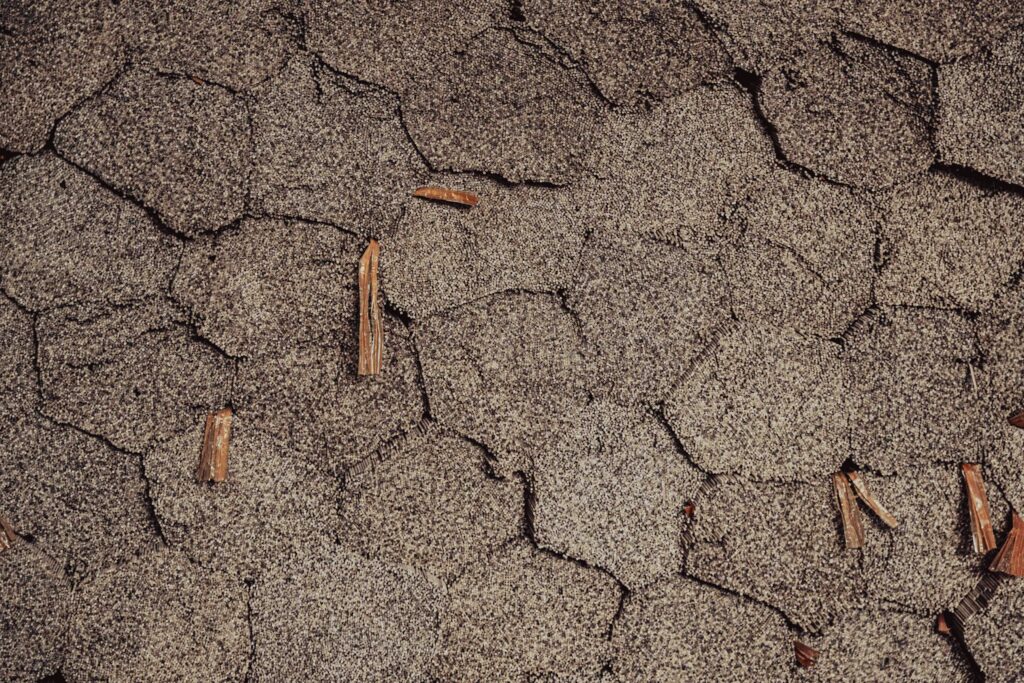
Image credit: Bernd Dittrich on Unsplash
Choosing a Class A Assembly That Holds Up Here
Material selection is only half the job. Fiberglass-mat asphalt shingles, standing seam metal over an approved deck, and concrete or clay tile all reach Class A in common assemblies, and we install them on both residential roofing and commercial roofing projects. Untreated wood shakes do not qualify, and pressure-treated shakes only reach the higher classes inside a specific tested build-up. You can see the systems we work with in our product galleries.
Installed details matter just as much in a wet climate. Moss lifts shingle edges and traps fir needles, clogged gutters hold cured debris against the fascia, and unprotected ridge vents give embers a path into the attic. A roof rated Class A on paper loses ground fast when maintenance slips, which is why we fold moss treatment and gutter work into our full service list.
Plan Your Next Lake Tapps Roof With Confidence
Knowing how fire classification works puts you in a stronger position when it comes time to replace or repair a roof. We have run our Lake Tapps roofing company as a family business since 2000, and our crews cover Lake Tapps, Auburn, Puyallup, Tacoma, and the rest of the communities we serve. Homeowners tell us the documentation and follow-through are why they hire us.
If you want a clear read on what your current roof assembly is rated and what a Class A upgrade would involve, get in touch and we will walk the roof with you. You will get a straight assessment, documented ratings, and a plan that fits your home and budget.