ASTM roofing standards quietly determine whether your roof can withstand Lake Tapps wind, rain, and fire risk and whether your project passes inspection the first time. When you understand these standards, you can choose materials and a contractor who builds for long‑term performance, not just appearance.
What Are ASTM Roofing Standards?
ASTM roofing standards are technical benchmarks that define how roofing materials must perform for fire resistance, wind uplift, impact, and weathering. They give manufacturers, contractors, and code officials a common language to judge quality and safety.
In practical terms, ASTM standards help ensure shingles, membranes, and coatings actually do what the label promises once they are on your roof. For Lake Tapps homeowners and building owners, that means better protection from wind‑driven rain, tree debris, and seasonal temperature swings common in Pierce County.
Key ASTM Standards That Affect Your Roof
Different roofing systems rely on different ASTM standards, but several appear again and again in Lake Tapps projects.
Fire resistance: ASTM E108 and roof fire ratings
ASTM E108 is the primary fire‑test standard for roof coverings, measuring how roof materials respond to simulated external fire exposure. Based on these tests, roofs receive a Class A, B, or C rating, with Class A providing the highest level of fire resistance often required by modern residential and commercial codes.
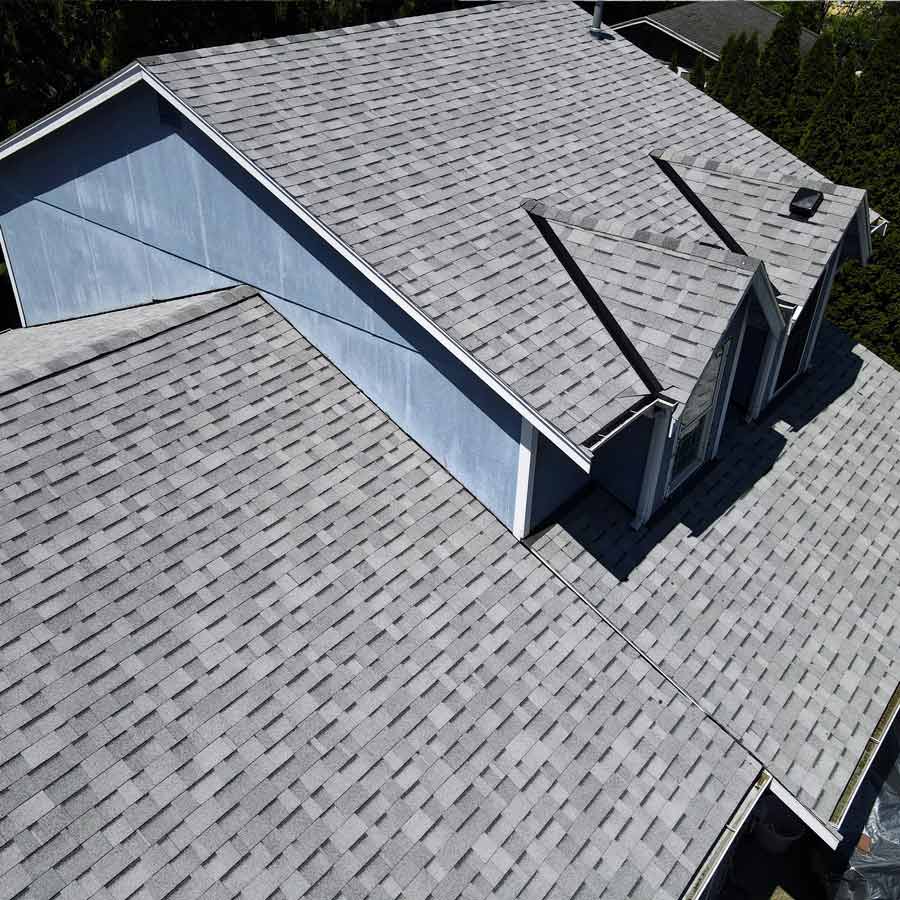
In Washington, local jurisdictions adopting the International Building Code (IBC) and International Residential Code (IRC) typically expect Class A roofs in many neighborhoods, especially closer to wildland–urban interface areas. For Lake Tapps property owners, that means choosing shingles, metal panels, or tile assemblies that have been tested and listed as Class A under ASTM E108, not just “fire resistant” in marketing language.
Asphalt shingles: wind and impact performance
Most Lake Tapps homes still use asphalt shingles, and these products must meet several ASTM and related test standards for wind and impact performance. Manufacturers commonly rely on ASTM D7158 or D3161 (combined with other standards) to show that shingles resist wind uplift to specific design speeds, which is critical in storm‑prone areas.
Industry guidance also highlights impact‑resistance classes for asphalt roofing, with Class 4 representing the highest tested level against hail and debris impacts. While Washington is not a classic hail belt, Lake Tapps homeowners still benefit from higher‑rated shingles when large tree branches, pine cones, or wind‑thrown debris are a concern around the lake.
Single‑ply membranes: TPO, EPDM, and PVC
Commercial and low‑slope roofs in the Lake Tapps area often use single‑ply membranes such as TPO, EPDM, or PVC. Each of these has a primary ASTM specification that governs sheet thickness, tensile strength, seam performance, and weathering:
- TPO membranes follow ASTM D6878, which sets requirements for thermoplastic polyolefin sheet roofing used on flat and low‑slope roofs.
- EPDM membranes follow ASTM D4637, outlining performance for synthetic rubber sheets commonly used on commercial buildings.
- PVC membranes follow ASTM D4434, covering polyvinyl chloride sheet roofing used where chemical resistance and durability are critical.
When a Lake Tapps warehouse, retail center, or multifamily building uses these systems, local officials expect documentation that the products meet the applicable ASTM membrane standard and are installed per manufacturer specifications. This alignment helps prevent premature failure from ponding water, UV exposure, and thermal movement on the region’s low‑slope roofs.
How ASTM Standards Tie Into Washington Roofing Codes
ASTM standards do not exist in a vacuum; Washington’s building and roofing codes actively reference them. The International Building Code and International Residential Code, as amended by Washington State, use ASTM test methods and material standards to define what is acceptable for roof coverings, underlayments, and coatings.
Regional guidance based on the IRC notes that most residential roofing codes now expect Class A fire‑rated shingles and wind‑tested systems evaluated under ASTM D7158 or D3161 for asphalt shingles. Local residential roof chapters also reference ASTM standards for underlayments such as ASTM D226, D1970, and D4869 so felt and self‑adhered membranes meet minimum performance levels for moisture protection.
Washington‑specific resources emphasize that underlayment must be installed according to ASTM material standards and manufacturer instructions to satisfy code. For Lake Tapps homeowners and property managers, that means a roof is more than just shingles: inspectors look at the entire assembly — deck, underlayment, coverings, and flashings — and whether each piece aligns with the underlying ASTM and code requirements.
If you want a straightforward overview of how national, state, and local roofing code sections interact, tools that summarize residential roofing codes can be helpful starting points for non‑contractors. These overviews break down key sections around fire rating, wind resistance, ice‑and‑water protection, and ventilation in plain language, which can make conversations with a roofer more productive.

Why ASTM Compliance Matters for Lake Tapps Roofs
Compliance with ASTM roofing standards directly affects how long a roof lasts, how it performs during storms, and how smoothly an insurance claim goes after damage. Poor‑quality or non‑compliant materials are more likely to fail early, uplift in wind, or allow hidden leaks that cause structural and indoor air‑quality issues over time.
From an insurance standpoint, many carriers now look closely at whether replacement materials and assemblies meet current code and recognized test standards. When a roof in Lake Tapps is upgraded to Class 4 impact‑resistant shingles or a Class A fire‑rated assembly tested to ASTM E108, property owners may reduce the risk of future claims and, in some cases, improve insurability.
If you would like to explore the broader purpose of roofing standards beyond a single project, resources that explain the role of ASTM roofing standards in protecting buildings from rain, sunlight, and heat can offer helpful background reading. These insights make it easier to understand why a reputable contractor insists on specific products and installation details instead of simply choosing the cheapest option.
Lake Tapps Roofing Support from Anytime Roofing, Inc.
When you try to navigate ASTM roofing standards and Washington codes on your own, the process can feel technical and overwhelming — especially if you are already dealing with leaks, storm damage, or a failed inspection. As a Lake Tapps roofing contractor, we understand how ASTM E108, asphalt shingle wind ratings, and single‑ply membrane specifications interact with local code, and we help take that burden off your plate.
At Anytime Roofing, Inc., we serve Lake Tapps property owners who need timely repair, full replacement, or code‑compliant roofing solutions after an insurance event, and we prioritize systems that meet or exceed current ASTM and Washington roofing standards. Whether you manage a commercial building, own a lakeside home, or oversee new construction, we can evaluate your existing roof, explain which standards apply, and recommend materials that balance durability, aesthetics, and budget for Pierce County conditions.
If you are ready to discuss a roof repair, replacement, or inspection in Lake Tapps with a contractor who builds to recognized ASTM standards and local codes, you can reach us directly through our contact page. An informed decision about your next roof starts with understanding how the right materials and standards protect your home or building for years to come, and we are here to guide you through each step of that process.