
Lake Tapps in Pierce County, Washington, supports a distinctive fishing culture shaped by its reservoir origins, cold Northwest climate, and evolving aquatic ecosystem. These local factors influence which fish species thrive, how residents use the lake, and what responsibilities come with living or owning property along its shoreline.
Lake Tapps as a Reservoir and Local Resource
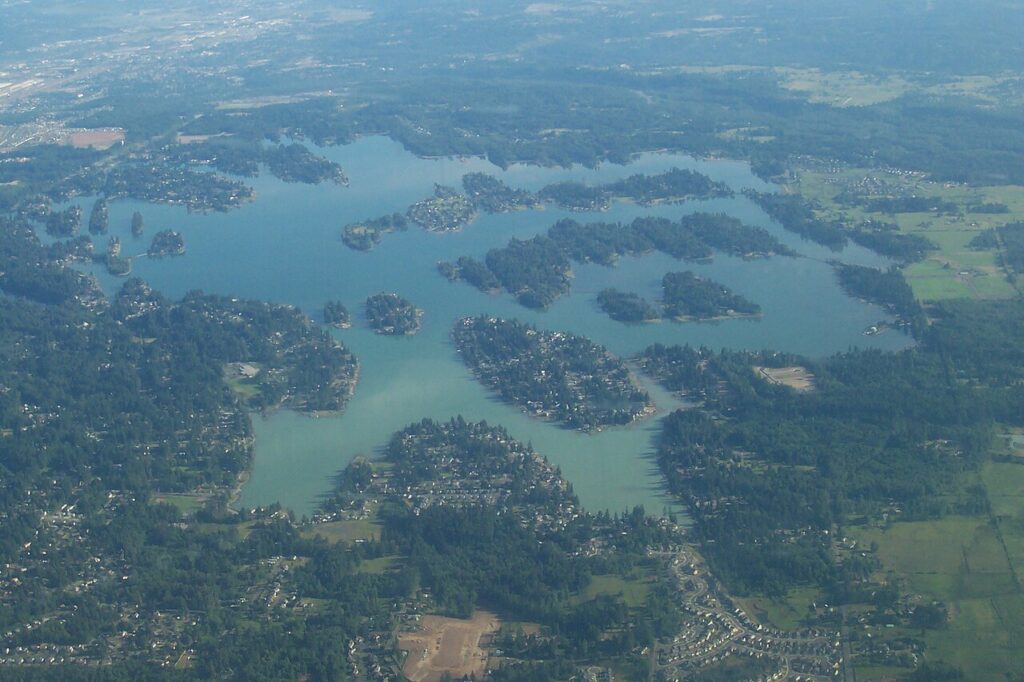
Lake Tapps is an artificial reservoir fed primarily by diverted water from the White River and is now operated mainly for recreation rather than hydropower. The reservoir covers roughly 2,200 acres, with numerous islands, coves, and shoals that create diverse nearshore habitat important to anglers and shoreline property owners alike.
Historically, winter drawdowns for power generation caused significant water‑level fluctuations, limiting aquatic plant growth and altering fish habitat. Under current management, Cascade Water Alliance operates the reservoir to maintain defined seasonal lake levels in accordance with water rights and tribal agreements, which clarifies expectations for homeowners, dock owners, and shoreline users.
Because Lake Tapps is relatively shallow on average, with deeper pockets approaching 90 feet, temperature and oxygen conditions vary by season and depth in ways that directly affect both fish behavior and safe recreation. Monitoring has shown that summer surface waters are generally warm, clear, and well oxygenated, while deeper zones remain cooler, which is relevant when considering swimming areas, dock placement, and moorage.
Fish Species and Seasonal Patterns
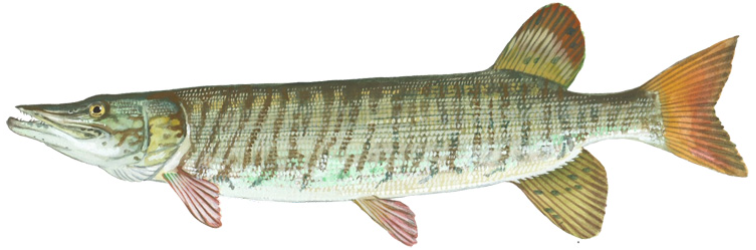
Lake Tapps has a reputation for supporting both introduced and native fish species, including tiger muskellunge, smallmouth and largemouth bass, rainbow trout, perch, black crappie, and other warm‑ and cool‑water species. The Washington Department of Fish and Wildlife (WDFW) manages tiger muskellunge here as a specialized sport fish, contributing to the lake’s status as a regional destination for large predatory fish.
Seasonal water temperature ranges strongly influence fish activity and thus the visible fishing patterns around the lake. In spring, as water temperatures rise into the 50s and 60s Fahrenheit, smallmouth and largemouth bass typically shift from deeper wintering areas into rocky shorelines, transition zones, and protected coves associated with pre‑spawn and spawn behavior.
During summer, when surface temperatures can reach the low to mid‑70s, many anglers concentrate around flats, points, and dock structures where bass and muskellunge orient themselves to submerged structure and vegetation edges. In fall, cooling temperatures and changing daylight push fish back toward deeper rock piles, weed edges near drop‑offs, and structural breaks, which can change where boats and shoreline anglers congregate.
Winter use of the lake for fishing decreases, but some anglers still target deeper structures for species like muskellunge that continue to relate to deep weedlines and rocky points.
Why Species Matter to Local Residents
Different fish species interact with the built shoreline environment in different ways, which matters to homeowners and contractors planning docks, bulkheads, or shoreline plantings. Bass and panfish often use dock pilings, rock placed for erosion control, and submerged wood as habitat, so alterations to these structures can influence local fishing success as well as habitat value.
Predatory species such as tiger muskellunge and larger smallmouth bass rely on forage fish like perch and bluegill, making nearshore vegetation and water clarity important to the overall food web. For residents, understanding this predator–prey dynamic provides context for discussions about aquatic vegetation management, water quality, and habitat protection.
Water Quality, Ecology, and Habitat
Multiple studies by the Washington Department of Ecology and the U.S. Geological Survey have documented water quality in both the White River and Lake Tapps, focusing on parameters such as temperature, dissolved oxygen, nutrient levels, and clarity. Historically, glacial silt from the White River limited light penetration, which reduced aquatic plant growth and affected habitat complexity within the reservoir.
More recent monitoring has found that surface waters in Lake Tapps can be relatively clear, warm, and well oxygenated during the summer, with Secchi disk measurements at deeper sites showing improved transparency compared with earlier decades. This change in water clarity affects how far sunlight penetrates, which in turn influences where aquatic vegetation can establish and how fish use different depths and shoreline zones.
Nutrient inputs, especially phosphorus, play an important role in determining algae and plant growth, so management of inflows, settling basins, and watershed practices directly affects lake ecology. The Washington Department of Ecology’s Lake Tapps monitoring report describes the reservoir as generally oligotrophic to slightly mesotrophic, indicating relatively low nutrient levels and modest algae production.
For homeowners and builders, these water quality dynamics intersect with stormwater design, shoreline landscaping, and erosion control practices. Hard surfaces, uncontrolled water runoff, and cutting down local plants can lead to more nutrients and dirt getting into the lake, which might cause algae growth or make the water less clear, impacting both enjoyment of properties and fish habitats.
Local programs such as TappsWise highlight how septic maintenance and runoff management around Lake Tapps support a healthy lake and community.
Regulations and Responsible Fishing Practices
Fishing in Lake Tapps is subject to statewide Washington regulations and any special rules published by WDFW, including size limits, daily catch limits, and gear restrictions for certain species. For example, WDFW says that tiger muskie, which are a type of fish that can’t reproduce, are added to certain lakes like Lake Tapps and are carefully watched to ensure fishing is enjoyable while protecting the environment.
Because emergency or lake‑specific rules can change, WDFW directs anglers to regularly review current fishing regulations and emergency updates before fishing, particularly on water bodies with specialized fisheries. This requirement is important for residents, landlords, and real estate professionals who may provide informal guidance to guests or renters about using the lake.
Beyond formal rules, responsible fishing practices help maintain the health of Lake Tapps’ ecosystem. Common practices include handling fish gently, minimizing air exposure during release, respecting spawning areas in shallow bays, and properly disposing of fishing line and tackle to avoid wildlife entanglement.
For storm‑exposed shorelines and structures, property owners must also consider local shoreline regulations and setbacks administered by Pierce County’s Shoreline Master Program, which define allowances for structures such as fences, docks, and other developments relative to the lake’s ordinary high water elevation. These rules aim to balance shoreline development with habitat conservation, public access, and long‑term ecological function.
Lake Levels, Climate, and Community Use
Seasonal water‑level management is a defining characteristic of Lake Tapps and shapes both the fishing culture and shoreline infrastructure. Cascade Water Alliance manages lake levels under a reservoir operations plan that considers water rights, agreements with local tribes, and recreational expectations, typically drawing down levels in fall and winter and refilling in spring.
These changes affect boat access, dock usability, and nearshore habitat exposure during different months, which in turn influence when residents can launch boats, perform shoreline work, or safely access shallow areas. Winter drawdowns may expose stumps, logs, and rock features that become important fish habitat during high-water seasons, providing visual cues about subsurface structures relevant to both anglers and contractors designing docks or retaining structures.
The climate in western Washington, which has cool, wet winters and mild, dry summers, also affects how people spend their free time and how ecosystems work. Heavy rain in the winter and spring can raise inflows, turbidity, and nutrient loads. On the other hand, summer droughts can make it even more important to carefully manage water levels and make sure that stormwater systems work well around developed properties.
As year‑round residents, seasonal visitors, and anglers share the lake, a shared understanding of how reservoir operations, climate, and ecological processes interact helps support cooperative decisions about shoreline maintenance, habitat enhancement, and safe recreation. For property owners, aligning improvement projects and long‑term planning with these natural and operational cycles can reduce conflicts, protect the fishery, and preserve Lake Tapps as a valuable community resource.